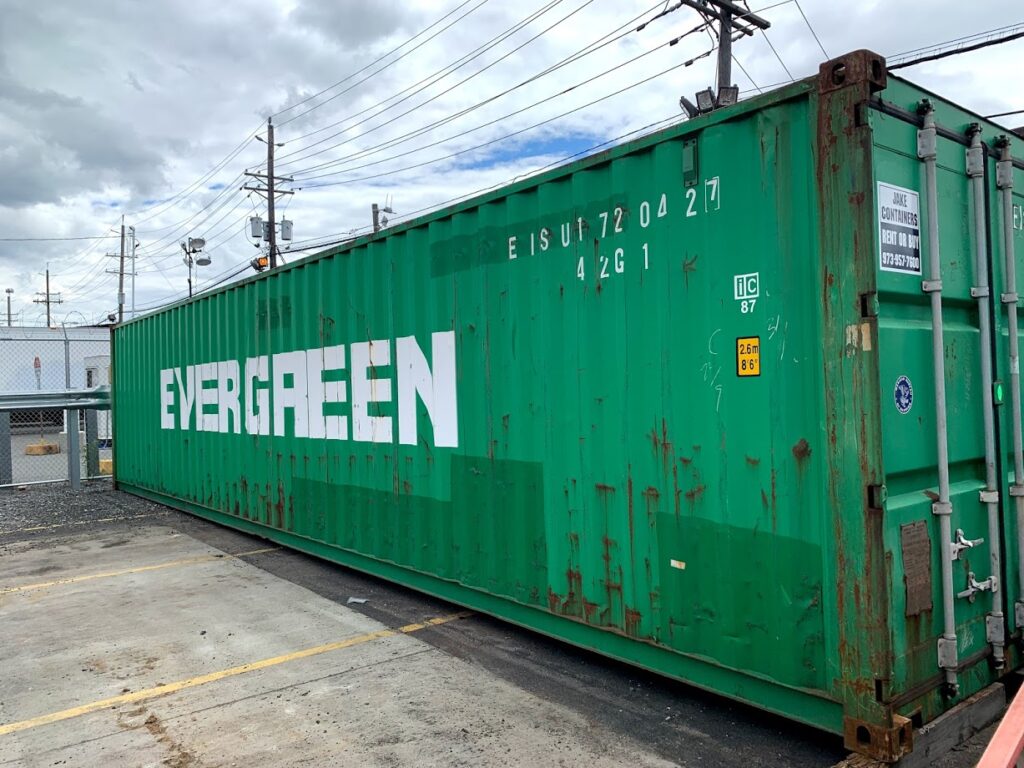
How Shipping Containers Support Manufacturing Operations
Shipping containers give manufacturers dedicated, lockable storage right next to the work, so materials, tools, and inventory stay organized without crowding production space. Unlike general warehouse storage, a manufacturing storage container sits on your own site, close to the lines, docks, and maintenance areas that depend on it. Common applications include:
Raw Material and Component Storage
Store packaging materials, parts, and production supplies in a container close to the production area, keeping frequently used materials within reach of the line. Shorter trips mean fewer delays when operators need components. Extra on-site capacity also helps you hold more inventory when supply chains fluctuate, so a late shipment or a bulk purchase does not crowd your floor. A 20-foot or 40-foot container is a common fit for raw material storage.
Manufacturing Equipment and Tool Storage
Keep tools, machine components, spare parts, and maintenance equipment together in one secured location. Locking doors limit access to authorized staff, and shelving (available on purchased containers) helps production and maintenance teams find what they need quickly. A dedicated container also keeps specialty tooling and idle equipment out of aisles and work cells, which helps keep the production floor safer and easier to move through.
Finished Goods and Overflow Inventory
During high production periods, seasonal demand, or unexpected inventory increases, a container adds storage without overcrowding your existing building. Overflow stock stays on site and ready when you need it, instead of being moved to a separate location. If your needs change, you can add another container or adjust your setup rather than committing to a permanent building addition.
Storage During Facility Renovations and Expansions
Move equipment and materials into containers while floors, lines, or walls are being upgraded. Operations stay organized and accessible throughout the construction period, and nothing has to be stacked in work areas or scattered across the property. When the project is finished, you can keep the container for ongoing storage if you bought it, or arrange to return it if renting.
Maintenance, Repair, and Operations (MRO) Storage
Dedicate a container to replacement parts and maintenance supplies. Frequently used industrial materials stay accessible, and facility maintenance teams know exactly where to look. Organizing MRO supplies in one lockable unit also makes it easier to track what is on hand, so teams spend less time searching and more time keeping equipment running.